
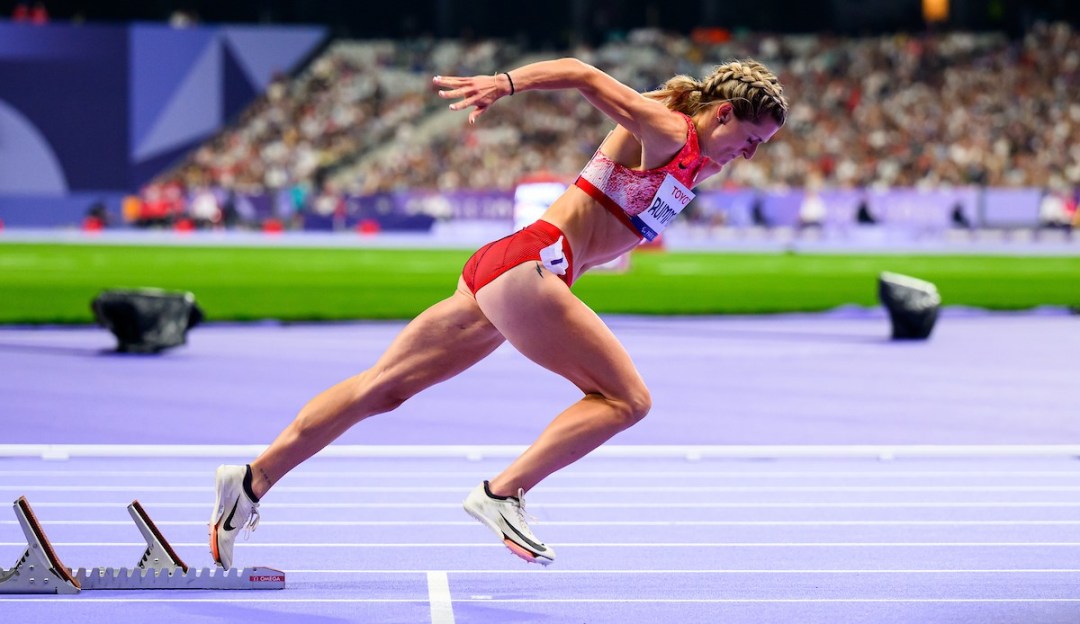
Introduction: The Enduring Essence of Athletics
Athletics, at its core, is the purest celebration of human physicality and determination. It is a discipline that tests the limits of speed, endurance, agility, and strength—an arena where raw talent meets relentless effort. Throughout history, athletics has served as a powerful metaphor for the human condition: striving against odds, overcoming obstacles, and continuously pushing boundaries. Beyond the stopwatch and measuring tape, it represents a profound journey of self-discovery and excellence.
This article delves into the rich tapestry of athletics, exploring its historical origins, diverse disciplines, psychological demands, and its profound impact on society and culture.
Historical Foundations: From Ancient Rituals to Global Phenomenon
The story of athletics is as old as civilization itself. Early humans relied on running, jumping, and throwing not just for survival but as a display of skill and prowess. These primal actions gradually evolved into organized contests that became cultural cornerstones.
-
Ancient Greece: The birthplace of formal athletics, the Olympic Games began in 776 BC as a celebration of physical prowess and spiritual honor. Events like the stadion race, discus, and wrestling were not just competitions—they were sacred rituals.
-
Roman Era and Beyond: Athletics expanded and adapted, influencing military training and public spectacles. Despite fluctuations in its prominence, the essence of competitive physical activity endured.
-
Modern Revival: The 19th-century resurgence, culminating in the first modern Olympics in 1896, transformed athletics into a standardized, international sport, democratizing access and fostering global camaraderie.
Athletics today carries this ancient legacy forward, blending tradition with innovation.
The Diversity of Athletics: A Spectrum of Physical Mastery
Athletics is a broad term encompassing various track and field events, each with unique demands and skills. Its versatility highlights the incredible range of human capability.
-
Track Events: Sprints like the 100m and 200m showcase explosive power, while middle- and long-distance races test stamina, pacing, and mental toughness.
-
Field Events: Jumping events such as the long jump, high jump, and pole vault require technique, timing, and courage. Throwing events—shot put, javelin, discus—highlight strength and precision.
-
Combined Events: The decathlon and heptathlon celebrate all-around athleticism, challenging competitors to excel across multiple disciplines.
Each event is a testament to the specialized training and dedication required to excel.
Psychological Fortitude: The Invisible Muscle
Physical prowess alone does not define an athlete. Behind every leap, sprint, and throw lies an intricate mental landscape demanding resilience, focus, and emotional intelligence.
-
Concentration: Athletes train to maintain intense focus, often in high-pressure environments where fractions of a second matter.
-
Resilience: Injuries, losses, and setbacks are inevitable. The ability to rebound stronger is a hallmark of athletic greatness.
-
Motivation: Deep-rooted passion and clear goals fuel the rigorous discipline and sacrifices inherent in training.
-
Flow State: Many athletes describe moments of effortless performance, where mind and body synchronize perfectly, enhancing speed, precision, and endurance.
This mental dimension elevates athletics from physical exertion to an art form of human will.
Athletics as a Global Language: Unity Through Competition
Athletics holds a unique position as a truly universal sport. It transcends language, culture, and economic status, making it a powerful force for unity.
-
Meritocracy at Its Core: Results are decided by measurable outcomes—time, distance, or height—ensuring fairness and transparency.
-
International Spectacles: The Olympic Games, World Championships, and Diamond League events attract billions worldwide, fostering international friendship and respect.
-
Cultural Exchange: Athletes from diverse backgrounds compete, share stories, and inspire millions, highlighting our shared humanity.
Through athletics, competition becomes a vehicle for peace and cultural dialogue.
Science and Innovation: Elevating Athletic Performance
The modern athlete is both a performer and a scientist, relying on cutting-edge research and technology to refine every aspect of their craft.
-
Biomechanics: Detailed motion analysis helps optimize technique and reduce injury risks.
-
Nutrition and Physiology: Tailored diets and recovery protocols ensure peak physical condition.
-
Sports Psychology: Techniques such as visualization and mindfulness aid mental preparation.
-
Technological Advances: Innovations in footwear, track surfaces, and wearable devices contribute significantly to performance gains.
This synergy of tradition and technology continually redefines what the human body can achieve.
Community and Grassroots Impact: Building Lifelong Foundations
While elite athletics garners much attention, its foundation lies in community engagement and youth development.
-
Physical Health: Early involvement in athletics promotes fitness, healthy habits, and emotional well-being.
-
Social Inclusion: Sports programs bring together individuals from diverse backgrounds, fostering teamwork and respect.
-
Pathways to Excellence: Grassroots initiatives discover and nurture future champions, ensuring the sport’s vitality and growth.
By making athletics accessible, communities cultivate resilience, confidence, and joy.
Challenges and Ethical Responsibilities
Despite its noble ideals, athletics faces contemporary challenges that require vigilant stewardship.
-
Doping: The ongoing fight against performance-enhancing substances is crucial to preserving fairness and athlete health.
-
Mental Health: Recognizing and addressing psychological pressures is essential for athlete welfare.
-
Commercialization: Balancing financial interests with the sport’s integrity demands careful regulation.
-
Inclusivity: Ensuring equal opportunities for women, disabled athletes, and underrepresented groups remains a priority.
Meeting these challenges head-on will safeguard the sport’s future.
Conclusion: Athletics as a Living Legacy
Athletics is a vibrant, evolving testament to human potential. It captures the exhilaration of movement, the discipline of training, and the spirit of competition. More than medals and records, athletics teaches us about perseverance, humility, and the beauty of striving toward excellence.
Whether on a local track or the grand Olympic stage, athletics invites all of us to witness—and partake in—the extraordinary journey of pushing beyond limits. It remains one of humanity’s most profound and inspiring expressions, timeless in its appeal and infinite in its promise.

 Loyal Fans Sport