
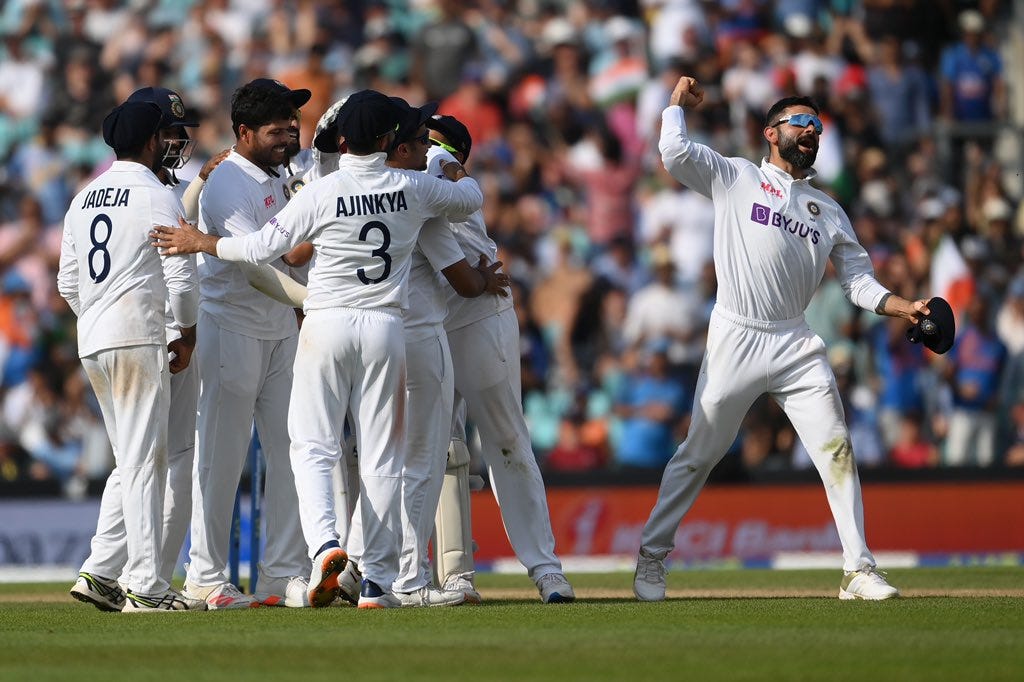
Introduction: The Game That Unites and Inspires
Cricket is far more than just a sport—it is a culture, a tradition, and for many, a passion that runs deeper than most allegiances. From the echoing cheers of packed stadiums to the quiet intensity of backyard matches, cricket occupies a special place in the hearts of millions. It weaves stories of courage, brilliance, and emotion, crossing boundaries of geography, class, and language.
While cricket may have begun as a quaint pastime in rural England, it has grown into a vibrant, global spectacle. The essence of the game remains rooted in its values—respect for rules, admiration for skill, and an undying love for fair play.
The Origins and Global Ascent of Cricket
Cricket’s story begins in the 16th century, with the earliest known reference appearing in a 1598 court case in England. What started as a children’s game slowly matured into a national sport. By the 18th century, it was being played in formal clubs and on village greens alike, eventually evolving into an international competition by the late 19th century.
Today, cricket commands a massive global following, particularly in:
-
South Asia: India, Pakistan, Sri Lanka, and Bangladesh boast fervent fan bases and legendary players.
-
Australia and New Zealand: Countries that blend tradition with cutting-edge athleticism.
-
United Kingdom: Cricket’s birthplace, where heritage and pride run deep.
-
West Indies and South Africa: Home to a rich cricketing culture known for both flair and strength.
The International Cricket Council (ICC), founded in 1909, now governs the sport and hosts world events that draw massive global audiences.
The Formats: A Game for Every Taste
One of the reasons cricket has remained relevant through generations is its adaptability. Unlike many sports that follow a single format, cricket offers multiple versions, each appealing to different types of fans and players.
Test Cricket
The most traditional form of the game, Test cricket is played over five days. It tests every facet of a player’s skill and temperament. Matches like the Ashes series and India’s home Test fixtures draw dedicated audiences who admire the depth and strategy this version provides.
One Day Internationals (ODIs)
ODIs feature 50 overs per side and have created many unforgettable cricketing moments. The Cricket World Cup, held every four years, is one of the sport’s most-watched events and has produced legends like Kapil Dev, Ricky Ponting, and Muttiah Muralitharan.
Twenty20 (T20)
T20 has revolutionized cricket, making it more fast-paced, entertaining, and commercially viable. With just 20 overs per side, the game concludes within a few hours, suiting modern lifestyles. T20 leagues such as the Indian Premier League (IPL), Big Bash, and Caribbean Premier League have introduced cricket to new audiences and business models.
The Spirit of the Game: Cricket’s Unwritten Code
What sets cricket apart is not just its format but its soul. The phrase “the spirit of cricket” is more than a motto—it’s a guiding principle. Players are expected to uphold sportsmanship, honesty, and respect. Even fierce rivalries often end in a handshake or shared smile.
Great moments in cricket are not limited to record-breaking centuries or hat-tricks. They also include:
-
A bowler applauding a batter’s century.
-
A captain withdrawing an appeal to uphold fairness.
-
Teams respecting silence during a national tragedy, even mid-game.
This unspoken code of conduct gives cricket an air of nobility that resonates with both purists and casual fans.
The Beauty of Roles and Strategy
Cricket is one of the few sports that demands diverse skill sets and nuanced strategies. Each player has a role to play, and matches often turn on the smallest details.
Batting
Batting in cricket is an intricate art form. Great batsmen combine elegance with power, calculation with improvisation. From Sunil Gavaskar’s stoic patience to Virat Kohli’s expressive aggression, each player brings a unique style.
Bowling
Bowling is not simply about speed or spin—it’s a game of deception, control, and precision. Bowlers like Shane Warne, Wasim Akram, and James Anderson have mesmerized audiences with deliveries that are as poetic as they are potent.
Fielding and Wicket-Keeping
Modern cricket demands athleticism. Fielders now dive, sprint, and leap to save every possible run. Wicket-keepers like Adam Gilchrist and MS Dhoni have elevated the position, contributing not only with gloves but also with the bat.
Captaincy and Leadership
Unlike many sports, a cricket captain’s role is highly tactical. The captain must set fields, decide bowling rotations, and read the flow of the game. Visionary leaders like Clive Lloyd, Steve Waugh, and Sourav Ganguly changed the course of cricketing history with their leadership.
Cricket as a Cultural Force
In many nations, cricket has transcended sport to become a symbol of national identity and pride.
-
In India, cricket unites a nation of immense diversity. A World Cup win here is more than a victory—it is a moment of collective national joy.
-
In the Caribbean, cricket carries echoes of colonial history, resistance, and resurgence.
-
In Australia, it symbolizes grit, resilience, and an unflinching competitive spirit.
Cricket also impacts areas beyond the pitch:
-
Economy: Multimillion-dollar tournaments generate employment, tourism, and media revenue.
-
Fashion and Entertainment: Cricketers now influence fashion, cinema, and social media trends.
-
Social Change: Cricket has promoted gender equality, with women’s cricket finally gaining overdue recognition and respect.
The Future of Cricket
While cricket continues to thrive, it also faces challenges:
-
Balancing Formats: Test cricket’s slow pace is less appealing to younger viewers, while T20 is seen by some as too commercial.
-
Player Burnout: With more games played every year, player well-being is a growing concern.
-
Inclusivity: Global efforts are ongoing to promote cricket in non-traditional regions like the USA and Europe.
Nevertheless, cricket’s future looks promising. Innovations in technology, coaching, and broadcasting are enhancing the experience for players and fans alike. Initiatives to promote grassroots cricket and include underrepresented groups suggest a broader, more inclusive horizon.
Conclusion: Cricket’s Enduring Legacy
Cricket is more than a game—it is a narrative that continues to evolve with every match, every player, and every generation. It celebrates patience and flair, discipline and creativity, tradition and modernity. As long as there are stories to tell and hearts to capture, cricket will remain not just relevant, but radiant. Whether on the sun-baked grounds of Chennai or the lush fields of Lord’s, cricket speaks a universal language: the language of passion, respect, and undying love for the game.

 Loyal Fans Sport